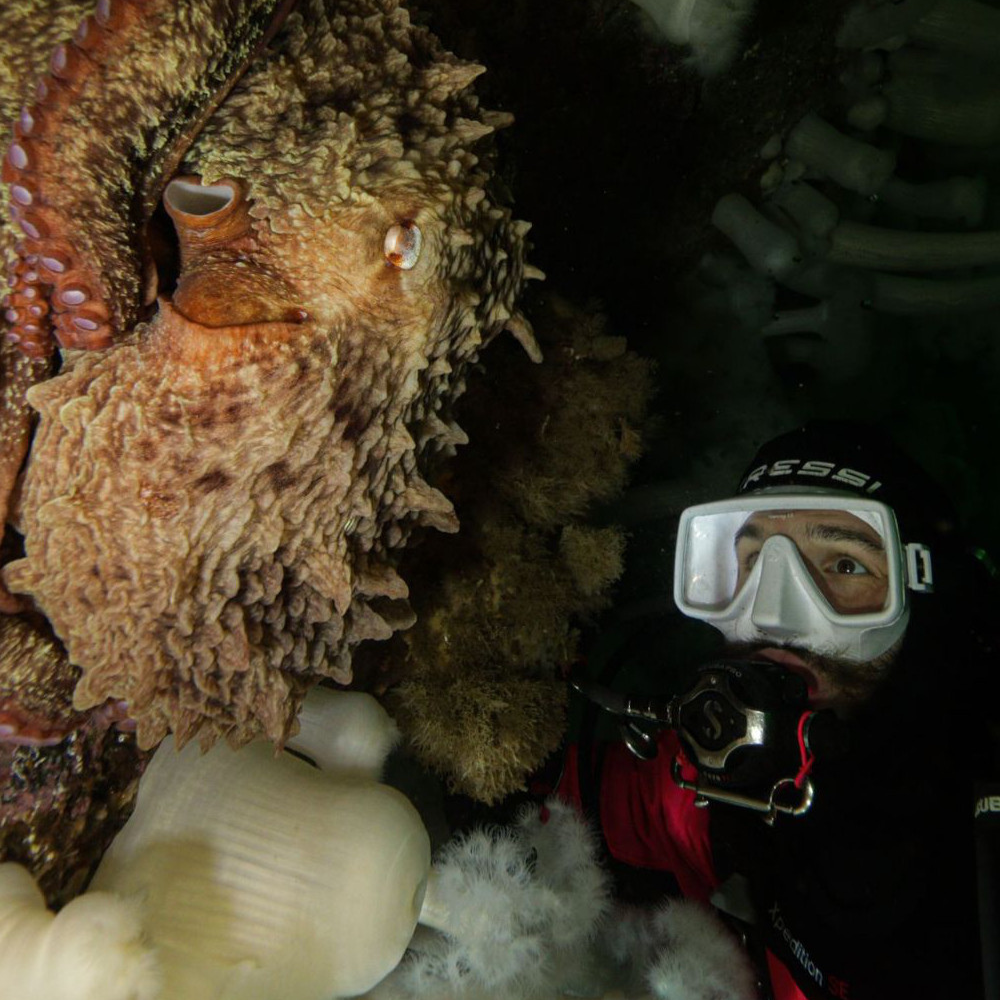


How to Fast-Track Your Scuba Skills This Season

If you want to become a more confident, capable scuba diver, the fastest way is not simply doing more dives. The divers who improve the quickest are the ones who train deliberately, practice the right skills, and choose the right conditions.
Whether you’re newly certified or already experienced, this guide explains how to fast-track your scuba skills this season—especially in cold-water environments like the Pacific Northwest.
What Does “Fast-Tracking” Your Scuba Skills Really Mean?
Fast-tracking your scuba skills does not mean rushing or skipping steps. It means:
- Focusing on high-impact skills
- Training in conditions that build confidence
- Getting structured feedback
- Reducing bad habits early
Divers who follow a structured progression often improve more in one season than others do in several years of casual diving.
Why This Season Is the Best Time to Improve Your Scuba Skills
Many divers wait for summer or vacation trips to “get better.” In reality, off-peak and shoulder seasons are ideal for skill development.
Benefits of training this season:
- Smaller class sizes
- More instructor attention
- Better visibility for skill work
- Cooler water reduces fatigue
- Fewer distractions at dive sites
Cold-water training forces precision—and precision builds strong divers.
The Core Skills That Make the Biggest Difference
If your goal is rapid improvement, these skills deliver the highest return on investment.
1. Buoyancy Control (The #1 Skill)
Buoyancy affects:
- Air consumption
- Safety stops
- Trim and propulsion
- Environmental impact
Divers who improve buoyancy:
- Dive longer
- Move less
- Feel calmer underwater
Targeted buoyancy practice—especially in cold water—dramatically accelerates overall skill development.
2. Trim and Body Position
Good trim:
- Reduces drag
- Improves fin efficiency
- Makes buoyancy adjustments smaller and easier
Many divers struggle not because of buoyancy itself, but because their body position works against them.
3. Finning and Propulsion Techniques
Efficient propulsion is essential for:
- Shore entries
- Currents and surge
- Precision around reefs and wrecks
Learning frog kick, modified flutter, and controlled turns fast-tracks confidence and control.
The Fastest Training Path for Skill Progression
1. Combine Courses Strategically
Instead of spacing courses over years, many divers improve faster by stacking compatible training in one season.
High-impact combinations include:
- Advanced Open Water + Buoyancy focus
- Advanced + Deep Diver
- Skill refresher + local diving experience
This approach reinforces learning while skills are fresh.
2. Train in Local Conditions
Training locally builds:
- Real-world confidence
- Better situational awareness
- Comfort in cold water and limited visibility
Divers who train locally adapt faster and feel more capable when traveling or progressing to advanced dives.
3. Practice in a Controlled Environment
Pool sessions and shallow-water training allow you to:
- Isolate skills
- Receive immediate feedback
- Fix habits before they become ingrained
Focused practice beats “hoping skills improve over time.”
Why Cold-Water Diving Accelerates Skill Development
Cold-water diving forces divers to:
- Be precise with buoyancy
- Plan dives carefully
- Manage exposure protection
- Maintain situational awareness
While it can feel more demanding at first, cold water often accelerates learning by reducing tolerance for sloppy technique.
Common Mistakes That Slow Skill Progression
Divers often plateau because they:
- Dive without specific goals
- Avoid training once certified
- Rely on equipment to fix skill issues
- Practice mistakes repeatedly
Fast-tracking skills means being intentional about what you practice and why.
Gear Setup Matters (But It’s Not Everything)
While training matters most, proper setup helps accelerate progress.
Key considerations:
- Correct weighting for exposure protection
- Well-balanced equipment configuration
- Proper fin selection for control
- Regulators suited for cold water
Poor setup can slow learning and create unnecessary frustration.
How Long Does It Take to See Improvement?
With structured training and deliberate practice, many divers notice:
- Improved buoyancy within a few sessions
- Better air consumption within weeks
- Increased confidence after one focused season
Fast progress is realistic when training is intentional.
Who Benefits Most from Fast-Tracking Their Skills?
This approach is ideal for:
- New divers wanting confidence quickly
- Vacation divers transitioning to local diving
- Divers preparing for advanced dives or trips
- Anyone frustrated by slow progress
If diving has ever felt harder than it should, focused skill development is usually the answer.
Final Thoughts: Train Smart, Not Slow
Fast-tracking your scuba skills doesn’t require rushing—it requires focus, structure, and the right environment.
By prioritizing core skills, training locally, and practicing deliberately, you can become a calmer, safer, and more confident diver in a single season.
Scuba skills compound over time. The sooner you build strong fundamentals, the more enjoyable every future dive becomes.