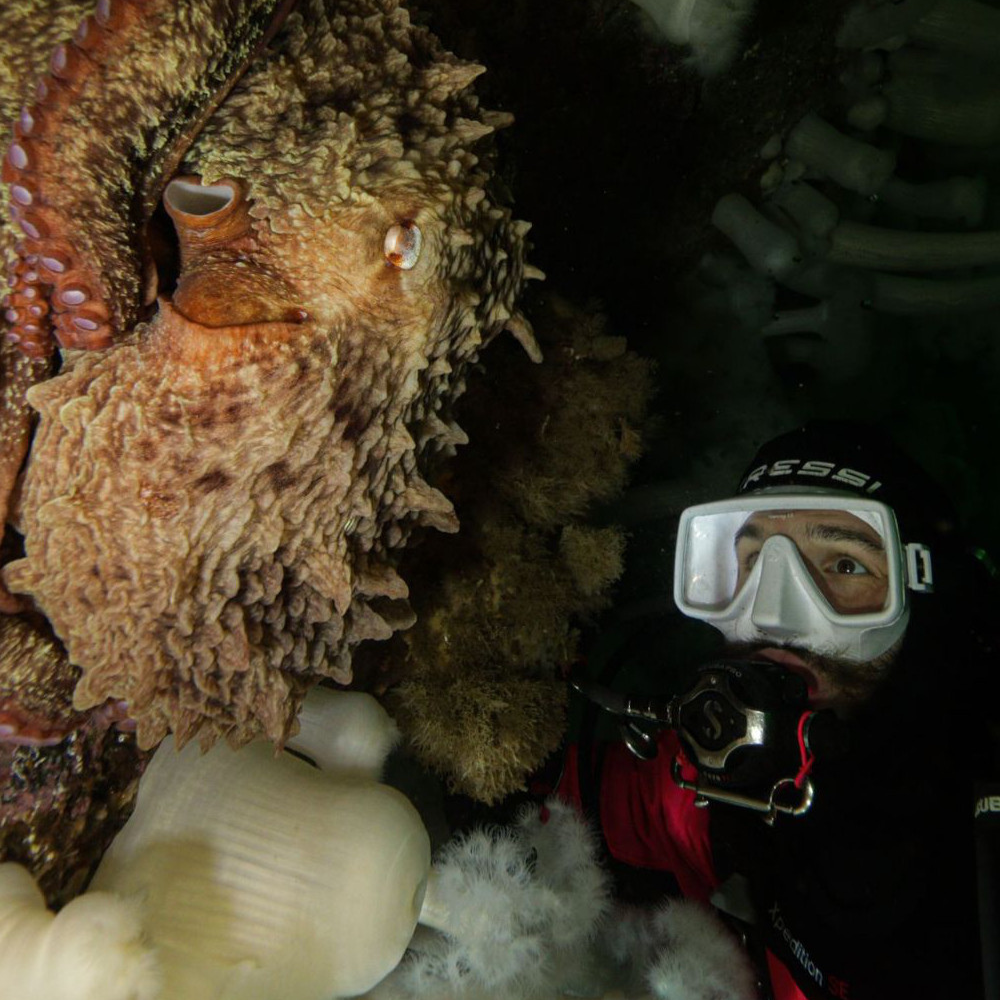


Cold-Water Freediving in British Columbia: How to Adapt Your Body, Mind, and Technique

Freediving in British Columbia is not about chasing depth records or long bottom times. It is about control, efficiency, and awareness in cold, dynamic conditions. Divers transitioning from tropical freediving often discover that BC requires a different approach, both mentally and physically.
This blog focuses on how to adapt your freediving technique for our local cold water environment.
Why Cold-Water Freediving Is a Different Discipline
Cold water fundamentally changes how the body behaves underwater. In British Columbia, freedivers must manage:
- Faster heat loss and increased oxygen consumption
- Thicker exposure protection affecting flexibility and breathing
- Reduced visibility increasing mental load
- Colder facial immersion intensifying the dive response
These factors mean that freediving in BC is less about pushing limits and more about mastering fundamentals.
1. Breathing Efficiency Matters More Than Breath-Hold Time
In cold water, long breath-holds are less important than efficient oxygen use.
Key adaptations:
- Slower, controlled breathing before the dive
- Avoiding aggressive hyperventilation
- Emphasizing relaxation over maximum inhale
Cold water rewards calm, repeatable dives rather than extreme performance.
2. Weighting for Cold Water: Precision Is Critical
Thicker wetsuits and added insulation change buoyancy significantly.
Common cold-water mistakes include:
- Overweighting to compensate for thick suits
- Losing surface buoyancy safety margins
- Fighting negative buoyancy early in the dive
Proper cold-water weighting ensures:
- Positive buoyancy at the surface
- Neutral buoyancy at planned depth
- Easier ascents and safer recoveries
Many BC freedivers benefit from seasonal re-weighting as water temperatures change.
3. Managing Cold Stress and Muscle Tension
Cold exposure increases involuntary muscle tension, which directly increases oxygen consumption.
To counter this:
- Use slow, deliberate movements
- Minimize unnecessary finning
- Maintain neutral body position
- Exit the water before cold fatigue sets in
Cold-water freediving favors shorter, higher-quality sessions rather than long endurance dives.
4. Mental Adaptation: Visibility, Comfort, and Control
Reduced visibility can increase stress, even for experienced divers.
Mental strategies include:
- Pre-visualizing the dive before entry
- Accepting limited visibility as normal
- Slowing the dive pace intentionally
- Ending dives early if focus decreases
In BC, mental discipline is as important as physical ability.
5. Recovery Breathing Is Non-Negotiable in Cold Water
Cold amplifies post-dive oxygen debt.
Best practices:
- Immediate recovery breathing after every dive
- Longer surface intervals than in warm water
- Active monitoring by the safety diver
Cold-water freediving leaves less margin for error, structured recovery is essential.
6. Equipment Choices That Improve Cold-Water Performance
Equipment can either fight you or support you.
Cold-water-optimized choices include:
- Open-cell wetsuits for warmth and flexibility
- Softer freediving fins to reduce leg fatigue
- Low-volume masks for easier equalization
- Gloves that balance warmth and dexterity
Correct equipment selection dramatically improves comfort and safety.
7. Why Training Matters More in Cold-Water Freediving
Many divers assume freediving is intuitive. In cold environments, this assumption increases risk.
Formal freediving training helps with:
- Cold-specific breathing and relaxation techniques
- Proper weighting and buoyancy control
- Rescue skills adapted for thick exposure suits
- Safe progression strategies
Instructors experienced in cold water can identify habits that are harmless in warm water but risky in BC.
Freediving in BC Is About Mastery, Not Metrics
British Columbia rewards patience, discipline, and awareness. The most successful freedivers here are not the ones chasing numbers but those who consistently dive relaxed, controlled, and safe.
By adapting your technique, mindset, and equipment for cold water, freediving in BC becomes not only possible, but deeply rewarding.
If you are transitioning from tropical freediving or new to cold-water environments, investing time in proper training and local knowledge will dramatically improve your experience.